Webpinn
Strategy & Growth•
Loading Experience
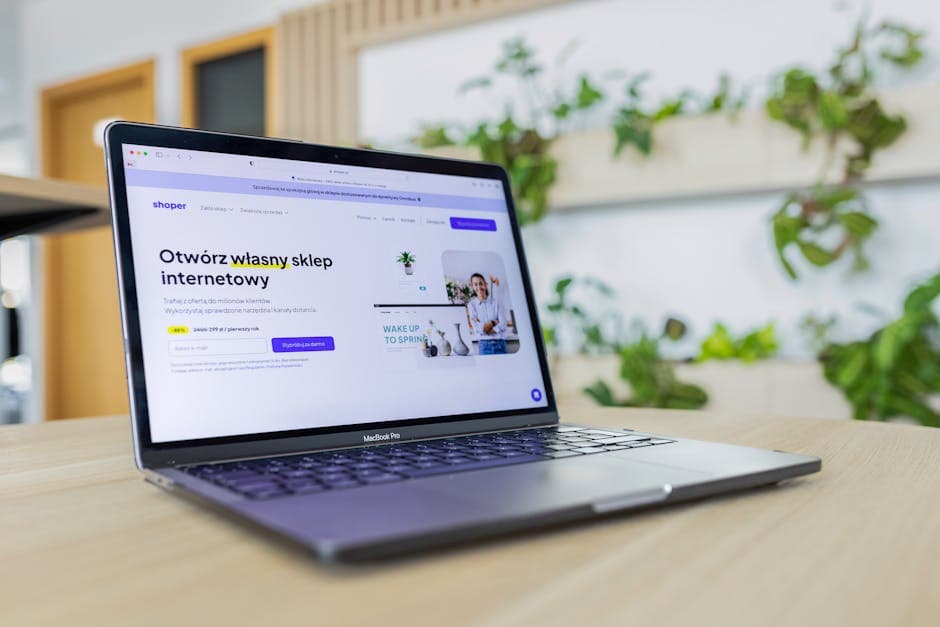

An e-commerce website is an online platform that allows businesses to sell products or services directly to customers via the internet.
A well-designed e-commerce website can significantly increase revenue and expand market reach for Kenyan businesses.
Target Audience: Kenyan businesses looking to establish or improve their online sales presence.
Core Solution: Web Development
Ask yourself: Is your current website costing you customers due to slow loading times or a poor user experience?
We'll share our exact checklist below to ensure your e-commerce website is optimized for sales and conversions.

In today’s digital age, an e-commerce website is more than just an online storefront; it's a critical component for business success. For Kenyan businesses, having a robust and user-friendly e-commerce platform can access new markets and significantly boost revenue. However, understanding the costs associated with building and maintaining such a website is crucial for making informed decisions. The ICT sector in Kenya continues to show growth, with a reported increase of 4.9% according to the KNBS Economic Survey 2025. This growth underscores the increasing importance of technology in the Kenyan economy, making e-commerce a vital avenue for businesses to tap into this expanding market.
Kenya's e-commerce sector is rapidly evolving, driven by high mobile subscriptions—which have reached 145.3% of the population according to the Communications Authority of Kenya (2025)—and increasing smartphone adoption, now at 83.5% (Standard Media Group, 2025). This widespread access to mobile technology has created a conducive environment for online shopping, with more Kenyans turning to the internet for their purchasing needs. As more people conduct transactions online, businesses need to have a professional and functional e-commerce presence to compete effectively. This includes having a website that is not only visually appealing but also optimized for mobile devices, secure, and easy to navigate. Businesses should take note of 'Free E-Commerce Revenue Calculator: How Much Are You Losing?' and assess their current standing.
In 2026, e-commerce is no longer an option but a necessity for businesses looking to thrive in the Kenyan market. With a growing number of consumers preferring the convenience of online shopping, businesses without an e-commerce presence risk losing out to competitors who offer online purchasing options. Furthermore, an e-commerce website provides businesses with the opportunity to reach a wider audience, beyond geographical limitations. By having an online store, businesses can tap into new markets and expand their customer base, driving sales and revenue growth. You can learn more from E-commerce in Kenya 2026: Should You Start an Online Store?

Several factors influence the cost of building an e-commerce website. Understanding these elements is essential for budgeting and making informed decisions. First, you need to consider the design and development of the website, which includes creating a visually appealing and user-friendly interface. The next step is to factor in the cost of hosting and domain registration, which are necessary for making your website accessible online. Make sure you account for the cost of e-commerce platform or software, which provides the functionality for managing products, processing payments, and handling orders. We recommend considering payment gateway integration, which allows you to accept payments online via M-Pesa and credit cards. Avoid this common mistake of underestimating marketing and SEO expenses, which are essential for driving traffic to your website.
The design and development phase is a significant cost driver for e-commerce websites. This includes creating the website's layout, designing the user interface, and developing the necessary functionality for product management, shopping carts, and checkout processes. The cost can vary depending on the complexity of the design, the level of customization required, and the expertise of the web developers. For instance, a simple e-commerce website with a basic design might cost less than a complex website with advanced features and custom integrations.
Hosting and domain registration are ongoing expenses necessary for keeping your website online. Hosting refers to the service that provides the server space and infrastructure for your website to be accessible on the internet. Domain registration involves securing a unique web address for your website, such as yourbusiness.com. The cost of hosting can vary depending on the type of hosting (shared, VPS, or dedicated) and the resources required. Domain registration fees are typically annual and relatively inexpensive.
The choice of e-commerce platform or software can significantly impact the overall cost of your website. There are various e-commerce platforms available, ranging from open-source solutions like WooCommerce and Magento to hosted platforms like Shopify and BigCommerce. Open-source platforms offer more flexibility and customization options but often require more technical expertise and development effort. Hosted platforms provide a more user-friendly interface and simplified setup but may come with monthly subscription fees.
Integrating a payment gateway is essential for accepting online payments on your e-commerce website. Payment gateways facilitate secure transactions between your website and your customers' banks or payment providers. The cost of payment gateway integration can include setup fees, transaction fees, and monthly fees. Common payment gateways in Kenya include M-Pesa, Pesapal, DPO Group, and Flutterwave. The M-Pesa base is around 37.1 Million users (Safaricom Annual Report (FY25)), making it a top contender for Kenyan businesses.

Beyond the core elements, several other costs can impact your e-commerce website budget. First, you need to budget for marketing and advertising expenses, which are essential for driving traffic to your website and generating sales. The next step is to consider the cost of website maintenance and updates, which ensures that your website remains secure, functional, and up-to-date. Here's exactly how security protocols can prevent data breaches and maintain customer trust. We recommend allocating resources for content creation, such as product descriptions, blog posts, and marketing materials. Make sure you factor in customer support expenses, as providing excellent customer service is crucial for building customer loyalty and driving repeat business. Avoid this common mistake of neglecting shipping and delivery costs, which can impact your profitability if not managed effectively.
Marketing and advertising are crucial for driving traffic to your e-commerce website and generating sales. This can include various marketing activities, such as search engine optimization (SEO), pay-per-click (PPC) advertising, social media marketing, email marketing, and content marketing. The cost of marketing can vary depending on the scope and intensity of your marketing efforts. It's important to have a well-defined marketing strategy and allocate a budget for promoting your website and products.
Website maintenance and updates are essential for ensuring that your e-commerce website remains secure, functional, and up-to-date. This includes regular security updates, software upgrades, bug fixes, and content updates. The cost of website maintenance can vary depending on the complexity of your website and the level of support required. It's important to have a maintenance plan in place to address any issues that may arise and keep your website running smoothly.
Part of effective website maintenance includes implementing proper analytics tracking. Only 58% of businesses are currently tracking user behavior with tools like Facebook Pixels or Google Analytics—this means many businesses are missing crucial insights into customer behavior and conversion opportunities. Ensure your maintenance plan includes setting up and monitoring these essential tracking tools.
High-quality content is essential for attracting and engaging customers on your e-commerce website. This includes product descriptions, blog posts, articles, images, and videos. The cost of content creation can vary depending on the type and quality of content required. You may need to hire content writers, photographers, or videographers to create compelling content for your website. Investing in high-quality content can improve your website's search engine rankings, drive traffic, and increase conversions.
Providing excellent customer support is crucial for building customer loyalty and driving repeat business. This can include responding to customer inquiries via email, phone, or live chat, resolving customer issues, and processing returns and refunds. The cost of customer support can vary depending on the volume of customer inquiries and the level of support required. It's important to have a customer support system in place to address customer needs effectively.

Optimizing your e-commerce website costs involves making strategic decisions to maximize value while minimizing expenses. First, you need to carefully evaluate your needs and requirements before choosing an e-commerce platform or software. The next step is to consider using open-source solutions or cost-effective hosting options to reduce expenses. Here's exactly how open-source platforms can provide more flexibility and customization options without recurring fees. We recommend negotiating with vendors and suppliers to get the best possible prices. Make sure you prioritize essential features and functionalities and avoid unnecessary customizations. Avoid this common mistake of neglecting to track and analyze your website costs to identify areas for improvement.
Before embarking on building your e-commerce website, take the time to carefully evaluate your needs and requirements. This includes identifying your target audience, defining your product catalog, determining the necessary features and functionalities, and setting a budget. By having a clear understanding of your needs, you can choose the right e-commerce platform or software and avoid unnecessary expenses. Consider starting with a basic setup and adding more features as your business grows.
Open-source e-commerce platforms like WooCommerce and Magento can be a cost-effective alternative to hosted platforms. These platforms are free to download and use, but you may need to pay for hosting, domain registration, and extensions or plugins. Open-source platforms offer more flexibility and customization options, but they may require more technical expertise to set up and maintain. Consider hiring a web developer or agency with experience in open-source e-commerce platforms.
Don't be afraid to negotiate with vendors and suppliers to get the best possible prices for your e-commerce website services. This can include hosting providers, domain registrars, payment gateway providers, and marketing agencies. Many vendors are willing to offer discounts or special pricing for long-term contracts or volume purchases. Take the time to research different vendors and compare prices before making a decision.

The allure of a 'cheap' e-commerce website is strong, especially for startups on a tight budget. However, cutting corners on website development can lead to significant long-term costs. A poorly designed website can result in a poor user experience, low conversion rates, and a damaged brand reputation. Moreover, a website built on outdated technology or with security vulnerabilities can be susceptible to hacking and data breaches.
Consider this: research shows that 17.3% of your competitors have significant website speed issues. This presents a clear competitive advantage—by investing in a professional, well-optimized e-commerce website with fast load times, you can capture market share from competitors whose poor-performing sites are driving customers away. Speed and performance aren't just technical metrics; they're revenue drivers.
Many believe that simply launching an e-commerce website guarantees immediate sales. The reality is that generating traffic and converting visitors into customers requires ongoing marketing efforts and a well-optimized website. Without a solid marketing strategy and a user-friendly website, your e-commerce venture may struggle to gain traction, and the initial investment may go to waste.
Opting for unverified or low-cost e-commerce platforms can expose your business to security risks. These platforms may lack the necessary security features and updates to protect your website and customer data from cyber threats. A security breach can result in financial losses, reputational damage, and legal liabilities. It's crucial to choose a reputable e-commerce platform with robust security measures.
In Kenya, where mobile internet access is prevalent, having a mobile-optimized e-commerce website is essential. A website that is not optimized for mobile devices can result in a poor user experience, high bounce rates, and lost sales. Ensure that your e-commerce website is responsive and adapts seamlessly to different screen sizes and devices.
Surprisingly, 55% of Kenyan e-commerce sites still fail basic mobile responsiveness tests—meaning more than half of your potential competitors are giving you an opportunity to stand out simply by having a properly mobile-optimized site.
Take our free 3-minute assessment to identify hidden growth opportunities in your online store. Get a personalized health score and actionable tips.

Webpinn understands the unique challenges and opportunities facing Kenyan businesses in the e-commerce standard. We don't just build websites; we engineer digital platforms that convert. We offer tailored e-commerce web development services designed to maximize your online sales potential. We analyze your business needs and create a custom e-commerce solution that fits your budget and goals. The Webpinn POS integration adds retail capability to your existing site.
Webpinn specializes in creating custom e-commerce solutions tailored to your specific business needs. We work closely with you to understand your product catalog, target audience, and business goals. We then design and develop a website that is visually appealing, user-friendly, and optimized for conversions. Our custom e-commerce solutions are built on robust platforms like WooCommerce and Magento, ensuring scalability and security.
Webpinn a mobile-first approach to e-commerce web development. We understand that a significant portion of online shoppers in Kenya access the internet via mobile devices. Therefore, we ensure that your e-commerce website is fully responsive and provides an optimal user experience on all screen sizes and devices. This includes optimizing the website for speed, navigation, and checkout processes on mobile devices.
Webpinn has extensive experience in integrating various payment gateways into e-commerce websites. We can seamlessly integrate M-Pesa, Pesapal, DPO Group, Flutterwave, and other popular payment gateways in Kenya. This allows you to accept payments online securely and conveniently from your customers. We ensure that the payment gateway integration is secure, reliable, and compliant with industry standards.
| Service Tier | Investment (KES) | Capabilities & Impact | Get a custom quote |
|---|---|---|---|
| Boutique Shop | 55,000 – 75,000 KES | A complete 360° store with payments, stock tracking, and growth tools ready to launch, including Payment & Transaction Management (Pesapal, DPO, or Flutterwave), Inventory & Stock Management (Real-Time Tracking, Low-Stock Alerts), Shipping & Delivery Logistics, Marketing & Growth Tools (Abandoned Cart, Coupons, Upsells), and Reporting & Analytics (Sales Dashboard, Insights). | Contact Us |
| Retailer Pro | From 150,000 KES | Enterprise-grade infrastructure designed for automation and high-volume transaction processing, featuring Payment & Transaction Management (Pesapal, DPO, or Flutterwave), Bulk Inventory & Stock Management (Real-Time), Custom Shipping & Delivery Logistics Management, Advanced Marketing & Growth Tools (Abandoned Cart, Coupon Engine), and Advanced Reporting (Product & Customer Insights). | Contact Us |
| Enterprise/Marketplace | Contact Us | A scalable, custom-engineered platform for complex multi-vendor or multi-branch operations, requiring a Customized Platform (B2B/B2C Hybrid, Role-Based Access), Multi-Vendor Support (Unified Seller Panel, Commissions), POS/ERP Synchronization (Bi-Directional Sync), Dedicated Infrastructure (High-Traffic Management), and Advanced Security Protocols. Get a custom quote |
Answer: For small online retailers, our Boutique Shop package starts at 55,000 – 75,000 KES. This includes Payment & Transaction Management (Pesapal, DPO, or Flutterwave), Inventory & Stock Management (Real-Time Tracking, Low-Stock Alerts), and Shipping & Delivery Logistics. For larger operations, our Retailer Pro package (From 150,000 KES) adds Enterprise-grade infrastructure designed for automation and high-volume transaction processing. Get a detailed quote, product management, shopping cart, checkout process, order management, and customer support.
Answer: Visit Webpinn POS for pricing and demos.
Answer: While a separate mobile app can offer additional features and a more native experience, a mobile-responsive e-commerce website can provide a similar experience without the need for a separate app. A mobile-responsive website adapts seamlessly to different screen sizes and devices, providing an optimal user experience on mobile devices. If you have a limited budget, a mobile-responsive website may be sufficient.
Highly Recommended
Building a successful e-commerce website in Kenya requires careful planning, strategic investments, and a focus on user experience. Don't cut corners on essential features and security measures.
Neglecting mobile optimization and security can result in lost sales and reputational damage.
Stat: 145.3% increase
Context: Mobile Penetration in Kenya
Source: Communications Authority of Kenya (2025)
Here is a breakdown of the standard packages for ecommerce.
Choose the tier that aligns with your growth goals.
★ 5.0/5.0 Average Rating acrossGoogle,Clutch, &GoodFirms.
"We’ve now built two websites with WebPinn... He’s receptive, easy to work with, and genuinely collaborates with you to bring your vision to life."
"We’ve worked with Webpinn twice... Vince was thorough, patient, and consistently accommodating throughout our website design process."
"They delivered a modern, fast, and visually impressive website with excellent functionality... Communication was clear, proactive, and friendly."
"Our company, representing global brands in Kenyan markets, has used Webpinn services for over two years. The quality [and] responsiveness... have been excellent."
"I witnessed prompt response whenever a technical problem arose... It has been a good experience with WebPinn."
"Wonderful customer service at all times. Professional team and highly experienced. I would definitely recommend again and again."